


Adrenal Surgery
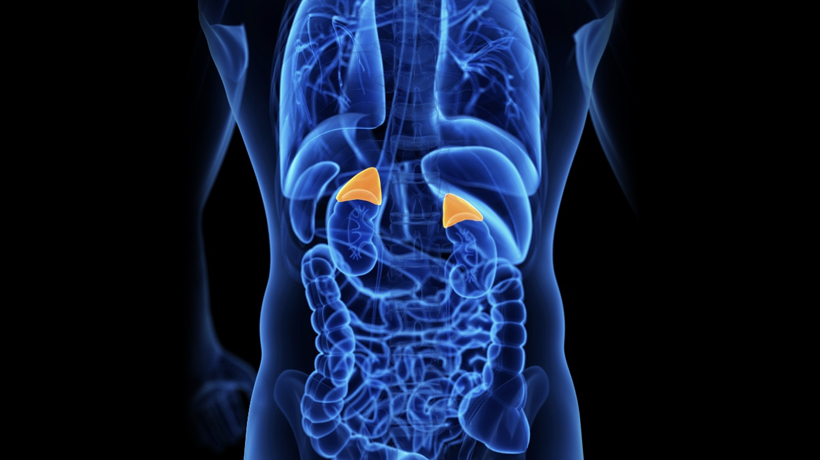
Adrenal surgery (adrenalectomy) removes tumors or diseased adrenal glands, usually done minimally invasively (laparoscopic/robotic) through small incisions in the back or abdomen for faster recovery, but open surgery (larger incision) may be needed for large or cancerous tumors, with the goal being complete gland removal.
What It Is (Adrenalectomy)
- Purpose: To remove part or all the adrenal gland due to tumors (benign or cancerous) or overproduction of hormones (causing high blood pressure, weight changes, etc.).
- Location: Glands sit atop each kidney.
Types of Surgical Approaches
- Minimaly Invasive: Robotic or laparoscopic, the most common methods.
- Small cuts in abdomen or back.
- Uses a camera (laparoscope) and tiny instruments.
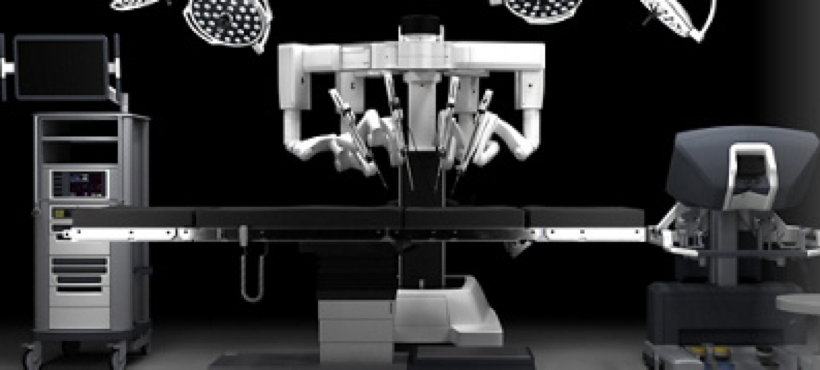
- Robotic-assisted offers more precision.
- Open Approach:
- One larger incision.
- Used for very large tumors, suspected cancer, or complex cases.
Benefits of Minimally Invasive Surgery
- Less pain and scarring.
- Faster recovery and shorter hospital stays.
Recovery & What to Expect
- Mild to moderate pain, mild nausea.
- Medication helps manage side effects.
- Walking daily and gradual increase in activity.
- Full recovery typically takes weeks, longer for open surgery.
Key Takeaway
- Most surgeries are minimally invasive for faster, less painful recovery, but the best approach depends on tumor size, location, and type. If you are contemplating adrenalectomy, please have Dr Paracha review your case and discuss what may be your best option.


©2026 Karim A. Paracha MD All rights Reserved.
Accessibility Statement | Privacy Policy | Sitemap
Powered by: 