


Gall Bladder Surgery
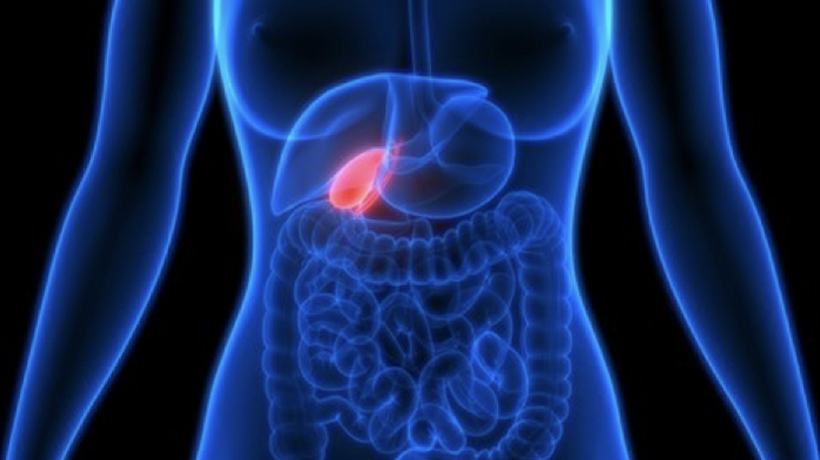
GALLBLADDER
What is the gallbladder?
Your gallbladder is a small, pear-shaped organ that stores and releases bile. Bile is the fluid your liver produces that helps digest fats in the food you eat.
Where is the gallbladder located?
Your gallbladder is located in the right upper part or quadrant of your abdomen and sits just under your liver.
FUNCTION
What is the function of the gallbladder?
Your gallbladder is part of your digestive system and its main function is to store bile. Bile helps your digestive system break down fats. Bile is a mixture of mainly cholesterol, bilirubin and bile salts. Before you start eating, your gallbladder is full of bile. When you start eating, your gallbladder receives signals to contract and squeeze the stored bile through the biliary tract. The bile eventually finds its way to your largest bile duct, the common bile duct. Bile passes through the common bile duct into the duodenum, the first part of your small intestine, where it mixes with food and helps with digestion.
CONDITIONS AND DISORDERS
What are common issues that affect the gallbladder?
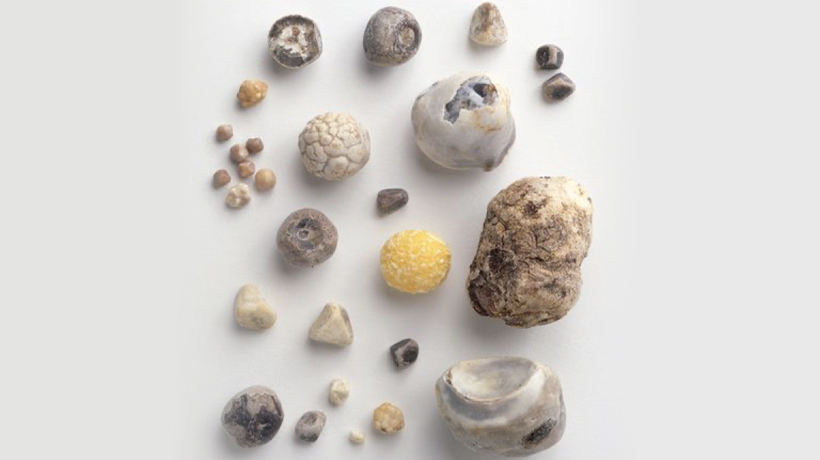
Several conditions can cause problems in your gallbladder. The most common condition is gallstones. Gallstones are typically harmless but can sometimes lead to disease states. Gallbladder issues include:
- Gallstones: Pebble-like objects made of bile material that develop in the gallbladder or bile ducts. They can be as tiny as grains of sand to as large as golf balls. They’re usually harmless but can cause pain, nausea or inflammation.
- Cholecystitis: Cholecystitis is inflammation of your gallbladder. It can occur when a gallstone blocks bile from exiting your gallbladder. Cholecystitis causes fever and pain and usually requires surgery.
- Gallstone pancreatitis: Gallstone pancreatitis is inflammation of your pancreas caused by a gallstone travels down the common bile duct and blocks the pancreatic duct at a common point just before draining into the small intestine.
- Gallbladder Cancer: usually asymptomatic leading to diagnosis in advanced stages.
- Biliary dyskinesia: Dysfunction of the gallbladder NOT related to gallstones with similar symptoms. Patients typically have chronic pain with negative work up, no stones seen on CT scan or ultrasound.
What are the signs or symptoms of gallbladder problems?
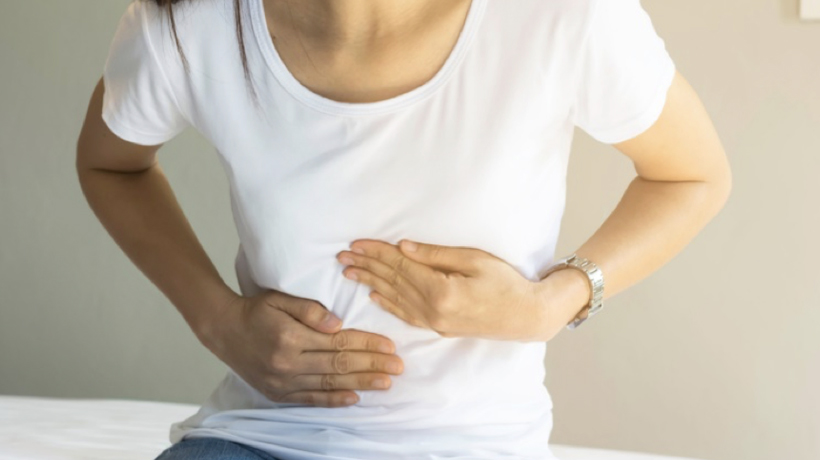
Gallbladder symptoms may vary. Most people have no symptoms and don’t know they have them. But if gallstones block the flow of bile, they can affect your gallbladder or pancreas. You may experience the following symptoms:
- Abdominal pain in the right upper quadrant
- Pain radiating to the right shoulder or back.
- Nausea and vomiting after eating a meal.
- Pain after eating a fatty meal.
- Jaundice or yellowing of your skin and whites of your eyes.
- Fever and chills
- Dark urine or light colored stool
How are gallbladder issues treated?
Most gallbladder issues are treated with the removal of your gallbladder. Surgery to remove your gallbladder is called a cholecystectomy. Your gallbladder is not an essential organ. This means you can live a normal life without a gallbladder. When Dr Paracha removes your gallbladder, bile will flow out of your bile ducts directly into your digestive system instead of being stored in your gallbladder first. Cholecystectomies may be performed in various ways:
- Minimally Invasive: usually robotically with its advantages including faster recovery, less pain and smaller scars.
- Open cholecystectomy: used in extreme cases where dense adhesions are encountered, when the gallbladder is severely inflamed, disease or scarred, or when cancer is a possibility.
If you have been suffering of right upper quadrant abdominal pain after eating fatty meals and have gallstones, please call Dr. Paracha for a consultation to discuss minimally invasive removal of your gallbladder.


©2026 Karim A. Paracha MD All rights Reserved.
Accessibility Statement | Privacy Policy | Sitemap
Powered by: 