


Splenic Surgery
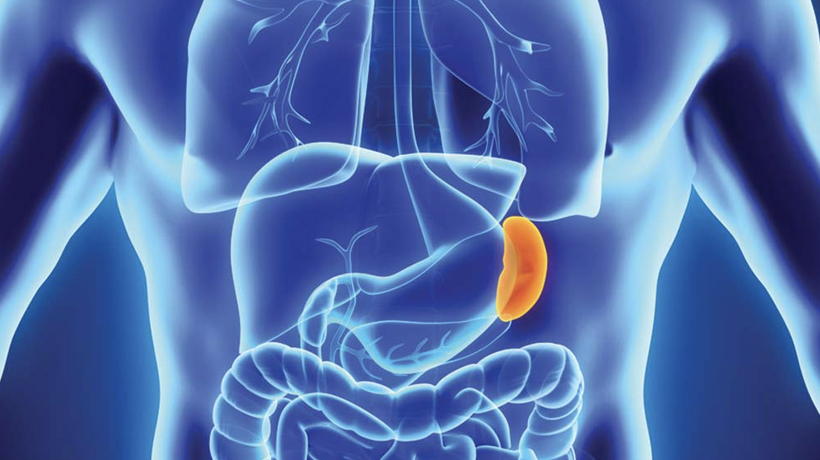
Spleen surgery, or splenectomy, removes the spleen (a blood-filtering, infection-fighting organ) usually via minimally invasive traditional open (large cut) methods, often for blood disorders, trauma, or cancer, requiring general anesthesia, and leading to a temporary increase in infection risk post-surgery, necessitating vaccinations and antibiotics. Recovery involves some soreness, pain management, and avoiding strenuous activity for weeks, with shorter hospital stays and faster recovery for robotic procedures.
What is the Spleen & Why Remove It?
- Function: The spleen filters blood, removes old cells, and helps fight germs, located in the upper-left abdomen.
- Reasons for Removal (Splenectomy): Blood disorders (like ITP, sickle cell), certain cancers (lymphoma), severe injury/trauma, or enlarged spleen (splenomegaly).
Surgical Approaches
- Robotic or Laparoscopic - Minimally Invasive: Most common; uses 4 small incisions, a camera (laparoscope), and tiny tools for a faster recovery.
- Open Surgery: A single, larger incision; used for emergencies (like a ruptured spleen) or large spleens, requiring longer hospital stays.
What Happens During Surgery?
- You're under general anesthesia (asleep).
- Abdomen inflated with gas for space.
- Camera and tools inserted through incisions.
- Spleen detached and removed (often in a bag through an incision).
Recovery & Risks
- Common: Soreness, pain (managed with meds).
- Hospital Stay: 1-3 days (laparoscopic) or longer (open).
- At Home: Rest for 2-3 weeks, avoid heavy lifting for ~4 weeks.
- Risks: Infection (major concern), bleeding, collapsed lung, injury to nearby organs (pancreas).
- Post-Surgery Care: Vaccinations (pneumococcal), antibiotics may be needed due to increased infection risk.



©2026 Karim A. Paracha MD All rights Reserved.
Accessibility Statement | Privacy Policy | Sitemap
Powered by: 